
Submit the contact form or call KFM with your project details. KFM responds within 1 business day to acknowledge your enquiry and clarify the scope.
KFM reviews the project documentation, site address, and requirements, then issues a fee proposal and scope of works within 2–3 business days.
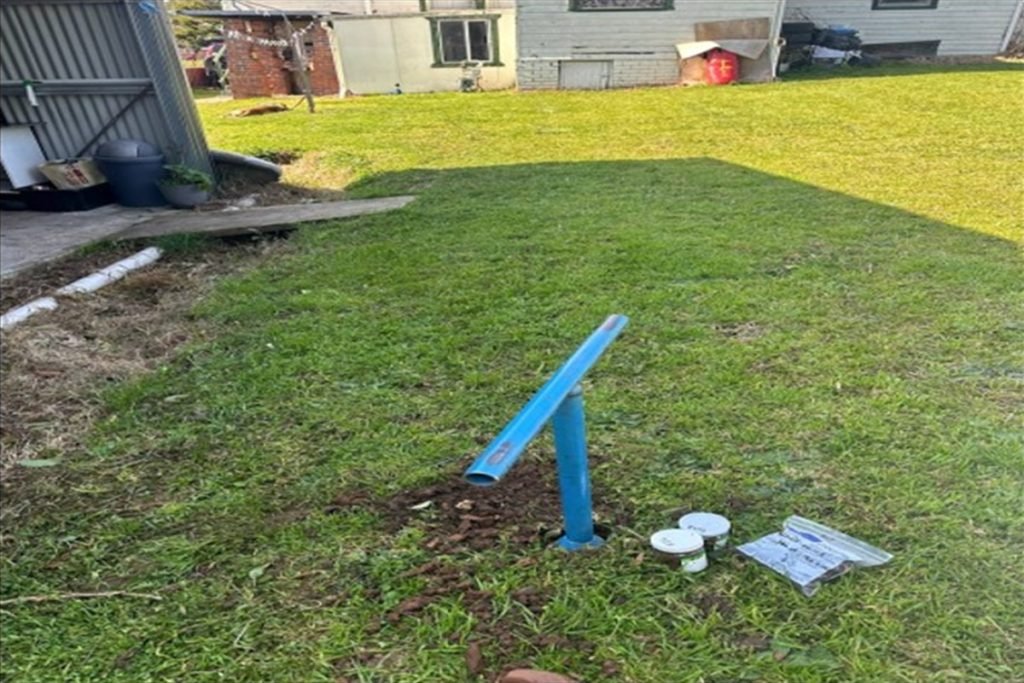
Field works are mobilised, including drilling, sampling, and in-situ testing, supervised by a senior engineer or geologist.
Collected samples are tested in accordance with relevant Australian Standards
Data is analysed, engineering recommendations are prepared, and a draft report is issued for client review.
Where required, KFM provides on-site inspections, certificates, and real-time geotechnical advice during excavation, filling, or piling.
KFM’s work is informed by relevant Australian Standards, council requirements, and project-specific engineering guidelines where applicable.
Geotechnical Site Investigations
Residential Slabs & Footings
Earth-Retaining Structures
Transport for NSW Guidelines
Local Council Requirements
Can’t find the answer? Call our engineering team directly.
A desktop and site walkover review of the land’s history — previous uses, aerial photography, records and visible site evidence — to identify whether potentially contaminating activities have occurred and whether further investigation is warranted.
When a Stage 1 identifies potential contamination, or when a council consent condition requires it. A Stage 2 involves sampling soil and, where relevant, groundwater, and comparing the results against the assessment criteria for the proposed land use.
Before excavated material leaves your site it has to be classified — General Solid, Restricted Solid, Hazardous or Special Waste — under NSW EPA guidelines. The classification determines which facility can accept it, and it is usually the single largest variable in disposal cost.
Excavated Natural Material and Virgin Excavated Natural Material are NSW resource recovery classifications for clean natural soil and rock. Material that meets them can be reused rather than sent to landfill, which is often a substantial saving on a project with bulk excavation.
Yes. KFM prepares Dewatering Management Plans and water take assessments, supported by hydrogeological assessment, permeability testing and groundwater monitoring.
A documented procedure setting out what the site team does if contamination, asbestos or other unexpected material is encountered during the works — who stops, who is notified, and how the material is assessed and managed. Councils frequently require one as a condition of consent.
Talk to our engineering team about your project requirements. We’ll clarify the scope, advise on investigation methodology, and provide a fixed-fee proposal.